Empowering Lives: Navigating Cancer Care, Prevention, and Support for Survivors
Navigating the landscape of cancer can be daunting, but understanding oncology is the first step in empowering lives affected by malignancy. Every year, countless individuals face the harsh reality of a cancer diagnosis, which can bring a flood of emotions and questions. What does it mean to have a tumor? How can I recognize cancer symptoms early? By diving into the world of oncology, we not only arm ourselves with vital health information but also create a supportive community that uplifts and informs. So, join me on this journey as we share insights about cancer symptoms, prevention strategies, and valuable resources that can aid in the fight against cancer.
When we think of oncology, it's easy to focus solely on the disease itself, but let's flip the script. Imagine being equipped with the knowledge to potentially prevent cancer before it starts. Engaging in cancer prevention strategies is not a luxury—it's an essential part of our lifestyle choices. From adopting a healthier diet to incorporating regular exercise, these lifestyle changes can significantly reduce the risk of developing malignancies. As the saying goes, 'An ounce of prevention is worth a pound of cure.' With practical steps and expert insights, we can redefine our relationship with wellness and disease management, building a stronger, informed health community together.
Recognizing cancer symptoms is crucial for early diagnosis and effective treatment. Whether it's unexplained weight loss, persistent fatigue, or unusual changes in your body, being vigilant can make all the difference. Personal stories from cancer survivors often reveal that many experienced these signs before seeking medical advice. This highlights the importance of patient advocacy, as individuals should feel empowered to inquire about their health and understand their bodies. Trust your instincts—if something feels off, don't hesitate to seek out health education and consult comprehensive cancer centers that specialize in oncology and patient care.
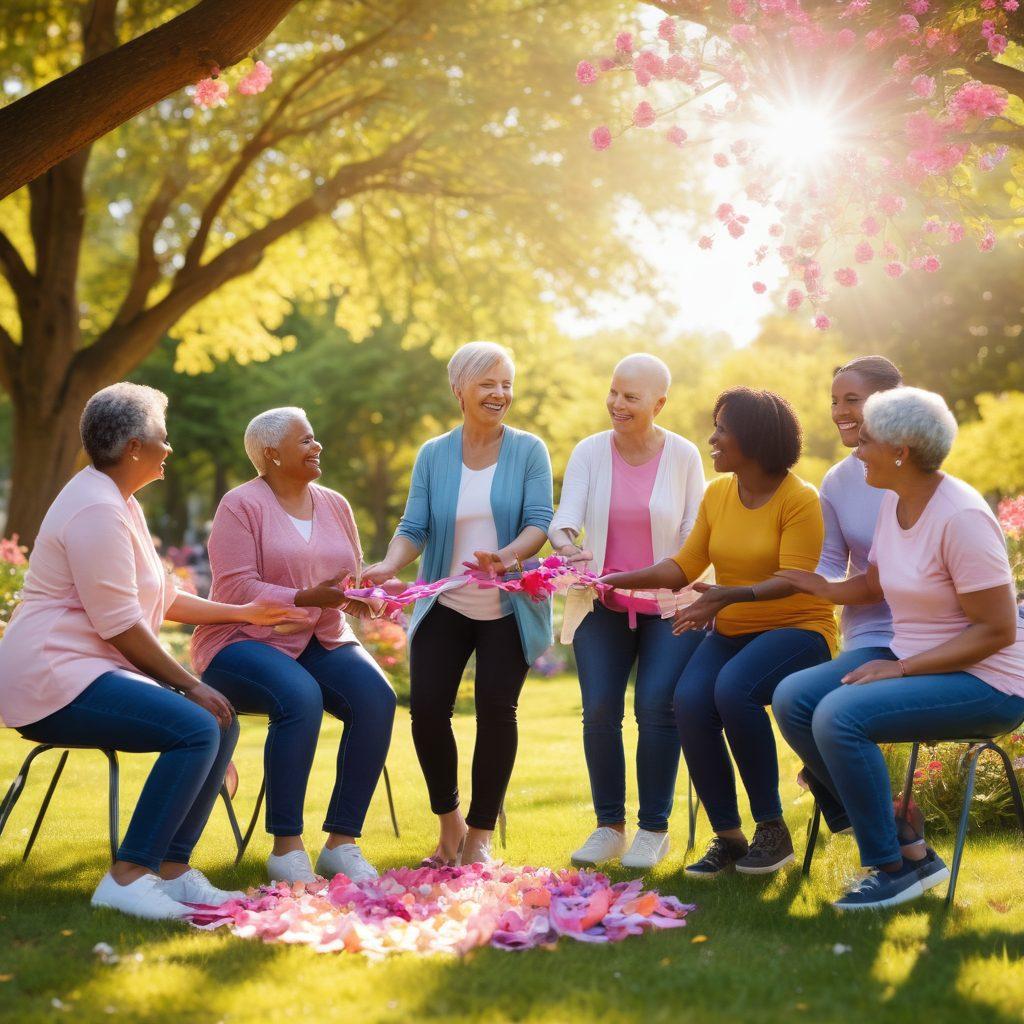
As we navigate the world of cancer care, it’s vital to lean on cancer resources and support groups. These networks provide a wealth of information from individuals who have walked similar paths. The power of patient stories cannot be underestimated; they highlight resilience, share coping strategies, and offer solace to those feeling alone in their cancer experience. Whether it's exploring alternative therapies or connecting with others at support groups, these interactions can serve as both a beacon of hope and a practical guide through troubling times. As you delve into medical blogs and health blogs, remember that you are not alone—there is a community waiting to support you.
To conclude our journey through understanding oncology, let’s remember the importance of continued medical research in improving cancer care and outcomes. Advances in treatment options, prevention strategies, and survivorship programs change lives every day and reinforce the importance of staying informed. By engaging with health information and seeking expert insights, you empower not only yourself but also those around you. Let’s inspire each other to spread awareness about cancer symptoms and advocate for our health, paving the way for a healthier, more informed future for everyone. So, what steps will you take today towards understanding and fighting against cancer?
Navigating Cancer Care: Essential Resources and Support for Survivors and Their Families
Navigating the world of cancer care can resemble traversing a turbulent sea—rough, unpredictable, and filled with challenges. For many, a cancer diagnosis does not only affect the patient but ripples through their entire family and friend circle as well. In the face of such malignancy, where can one find essential resources and support? Let’s embark on this journey together, exploring critical avenues that survivors and their families can take to secure care, understanding, and community while managing their cancer experience.
One of the most powerful weapons in the battle against cancer is information. Understanding cancer symptoms and the various types of malignancies that exist can drastically change the trajectory of treatment. Comprehensive cancer centers are invaluable for this purpose; they bring together experts in oncology and specialized care networks. Not only do they provide access to cutting-edge medical research and treatment options, but they often also house support groups that foster a sense of camaraderie among patients and families. By sharing patient stories, these groups build a bridge of hope and resilience that can help combat feelings of isolation during a tough time.
Of course, managing cancer doesn’t solely hinge on medical interventions. Lifestyle changes play a pivotal role in cancer prevention and survivorship. Incorporating wellness routines such as a balanced diet, physical activity, and stress management techniques can enhance one’s quality of life after a diagnosis. As the health community evolves, so too does the array of alternative therapies and patient advocacy initiatives. Have you ever considered the potential of holistic therapies alongside traditional treatments? Finding balance might mean exploring new wellness practices that resonate with your life journey.
Engaging with cancer resources is essential, and the multitude of medical blogs and health information platforms available today provide a wealth of insight. They offer expert insights into the latest research and therapeutics, empowering patients with knowledge that fosters agency over their own health decisions. Remember, knowledge is power, and with power comes the ability to advocate for necessary changes within the healthcare system—whether it’s addressing the need for tailored disease management plans or pushing for advancements in cancer treatment protocols.
As we conclude this exploration of navigating cancer care, let’s remember the unyielding spirit of survivors and their families. This journey, while fraught with difficulties, is also one of strength and transformation. From finding essential resources that support your healing process to participating in supportive communities that echo your resilience, you are not alone. So, what steps will you take today to embrace your cancer experience with empowerment? Change is a choice we can all make, and sometimes, it begins with a single step toward a brighter, healthier future.
Empowering Patient Advocacy: Insights from Survivorship and the Importance of Community Support
In a world where the word 'cancer' often sends chills down the spine, one thing remains clear: the power of patient advocacy can illuminate the darkest paths on the journey toward recovery. Survivorship is not simply about enduring; it's about thriving, and that's where community support comes into play. Imagine a tapestry woven from the stories of individuals who have faced the daunting challenges of malignancy, transformed their experiences into advocacy, and established a network of unwavering support. The importance of this communal strength cannot be overstated, especially when navigating the complexities of cancer care and prevention.
Have you ever wondered how a single story can ripple out, touching countless lives? Each patient's experience with cancer symptoms and treatment becomes a cornerstone of wisdom for others. These shared tales serve not only as sources of inspiration but also as vital health information for navigating disease management. In the vibrant landscape of medical blogs, patient stories rise to the forefront, offering raw insights and relatable experiences. What if your journey could empower someone else to take charge of their health? Advocacy is not merely standing up for oneself; it is about lifting others as you rise.
With the ever-evolving world of medical research, alternative therapies, and wellness strategies, the landscape of cancer care is expansive and often overwhelming. It's crucial for survivors and their advocates to stay informed about the latest advancements in oncology. Comprehensive cancer centers are not just research hubs; they're communities where innovation meets compassion, providing a wealth of cancer resources. Through health education workshops and support groups, these centers build bridges between science and personal experiences, ensuring that each patient feels seen and heard. Could your next step involve leveraging these resources for your wellness journey?
Moreover, lifestyle changes have become integral in the pursuit of health and wellness post-cancer. Personal choices regarding diet, exercise, and mental well-being can profoundly impact survivorship and enhance quality of life. It’s no secret that the journey through cancer can feel isolating. However, prescribing an active role within one's health community—participating in local support groups or online forums—can foster a sense of belonging and provide vital encouragement. What small changes could you implement today to boost your own resiliency in this ongoing journey?
In conclusion, advocating for yourself and others in the cancer experience is not just about fighting for better treatment options; it’s about fostering a sense of community where healing and support flourish. Patient advocacy empowers individuals to share their experiences, build connections, and transform their journeys into a collective strength. Let us remember that every story holds the potential to spark change and inspire others. Whether through engaging with medical blogs, exploring health information, or participating in community support initiatives, your voice matters, and together, we can navigate the intricacies of cancer care with confidence and compassion. How will you choose to advocate in your journey?